

Emerging Construction Trends Shaping Bangalore's Urban Landscape

Bangalore, often called the Silicon Valley of India, is witnessing rapid urban growth. This growth drives a dynamic construction sector that is evolving to meet new demands and challenges. The city’s construction trends reflect its ambition to balance modernization with sustainability, technology, and community needs. Understanding these trends offers insight into how Bangalore’s urban landscape is transforming and what residents, developers, and planners can expect in the near future.
Growth of Sustainable Building Practices
Sustainability has become a key focus in Bangalore’s construction industry. With increasing awareness of environmental impact, builders are adopting green building techniques to reduce carbon footprints and conserve resources.
Use of eco-friendly materials: Bamboo, recycled steel, fly ash bricks, and low-VOC paints are gaining popularity. These materials reduce waste and pollution.
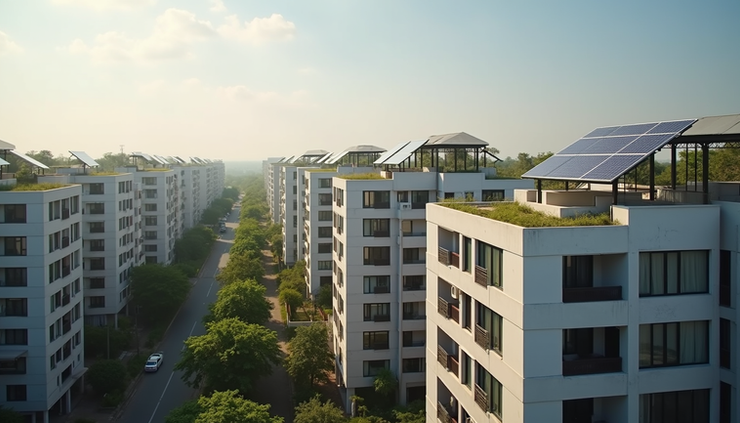
Energy-efficient designs: Buildings incorporate solar panels, rainwater harvesting systems, and natural ventilation to lower energy consumption.
Green certifications: Many projects aim for LEED or IGBC certification, which ensures adherence to environmental standards.
For example, several residential complexes in Whitefield and Sarjapur Road now feature rooftop gardens and solar water heaters, cutting down energy costs and improving air quality.
Integration of Smart Technologies
Smart technology is reshaping how buildings are designed and operated in Bangalore. The rise of smart homes and offices is a response to the city’s tech-savvy population.
Automation systems: Lighting, security, and climate control can be managed remotely through apps.
IoT-enabled infrastructure: Sensors monitor energy use, water consumption, and structural health to optimize maintenance.
Smart construction methods: Drones and 3D printing are used for site surveys and rapid prototyping, speeding up project timelines.
A notable example is the Manyata Tech Park, where smart building systems improve energy efficiency and occupant comfort, setting a benchmark for commercial spaces.
Focus on Affordable Housing
Bangalore faces a housing shortage due to its growing population and influx of professionals. The government and private sector are pushing affordable housing projects to meet this demand.
Compact and efficient layouts: Smaller units with smart space utilization make homes affordable without sacrificing comfort.
Public-private partnerships: Collaborations help fund and develop large-scale affordable housing communities.
Use of prefabricated materials: This reduces construction time and costs, making homes more accessible.
Areas like Kanakapura Road and Electronic City have seen new affordable housing developments that provide essential amenities while keeping prices within reach for middle-income families.
Emphasis on Mixed-Use Developments
Mixed-use projects that combine residential, commercial, and recreational spaces are gaining traction. These developments reduce commute times and create vibrant neighborhoods.
Integrated townships: These include schools, hospitals, shopping centers, and parks within a single complex.
Walkability and connectivity: Designs prioritize pedestrian-friendly streets and easy access to public transport.
Community spaces: Shared gardens, gyms, and cultural centers foster social interaction.
Prestige Group’s Prestige Shantiniketan is an example where residents enjoy a blend of homes, offices, and entertainment options in one location.
Adoption of Modular and Prefabricated Construction
Modular construction is becoming popular in Bangalore due to its speed and cost benefits. Prefabricated components are manufactured off-site and assembled quickly on-site.
Reduced construction time: Projects can finish weeks or months earlier than traditional methods.
Lower labor costs: Less on-site labor reduces expenses and safety risks.
Quality control: Factory conditions ensure consistent quality of materials and workmanship.
This approach is especially useful for commercial buildings and affordable housing projects where timelines and budgets are tight.
Increased Use of BIM and Digital Tools
Building Information Modeling (BIM) and other digital tools are transforming project planning and execution.
3D modeling: Helps visualize projects before construction begins, reducing errors.
Collaboration platforms: Allow architects, engineers, and contractors to coordinate in real time.
Data analytics: Improves resource management and predicts maintenance needs.
Bangalore’s infrastructure projects, such as metro expansions and IT park developments, benefit from BIM by minimizing delays and cost overruns.
Rising Demand for Sustainable Urban Infrastructure
Beyond individual buildings, Bangalore is investing in sustainable urban infrastructure to support its growth.
Smart roads and traffic management: Sensors and cameras optimize traffic flow and reduce congestion.
Waste management systems: Segregation and recycling initiatives are integrated into new residential areas.
Water conservation: City-wide efforts include wastewater recycling and efficient irrigation systems.
These infrastructure improvements complement construction trends and enhance overall urban living quality.
Challenges and Opportunities Ahead
While Bangalore’s construction sector is advancing, it faces challenges such as land scarcity, regulatory hurdles, and environmental concerns. Addressing these requires:
Streamlined approval processes to speed up projects.
Greater focus on affordable housing to prevent slum growth.
Continued investment in sustainable technologies.
Opportunities lie in adopting innovative construction methods and fostering collaborations between government, developers, and communities.


